Technology Overview
Discover the engineering excellence behind our industrial burners. From precision control to ultra-low emissions, we define the future of thermal energy.
What is an Industrial Burner?
An industrial burner is the heart of any thermal processing system. It precisely mixes fuel and air to generate controlled heat for boilers, furnaces, kilns, and dryers.
Core Role: It transforms chemical energy (fuel) into thermal energy (heat) with maximum efficiency and safety.
Precise Mixing
Optimal fuel-air ratio control
Stable Ignition
Reliable flame retention
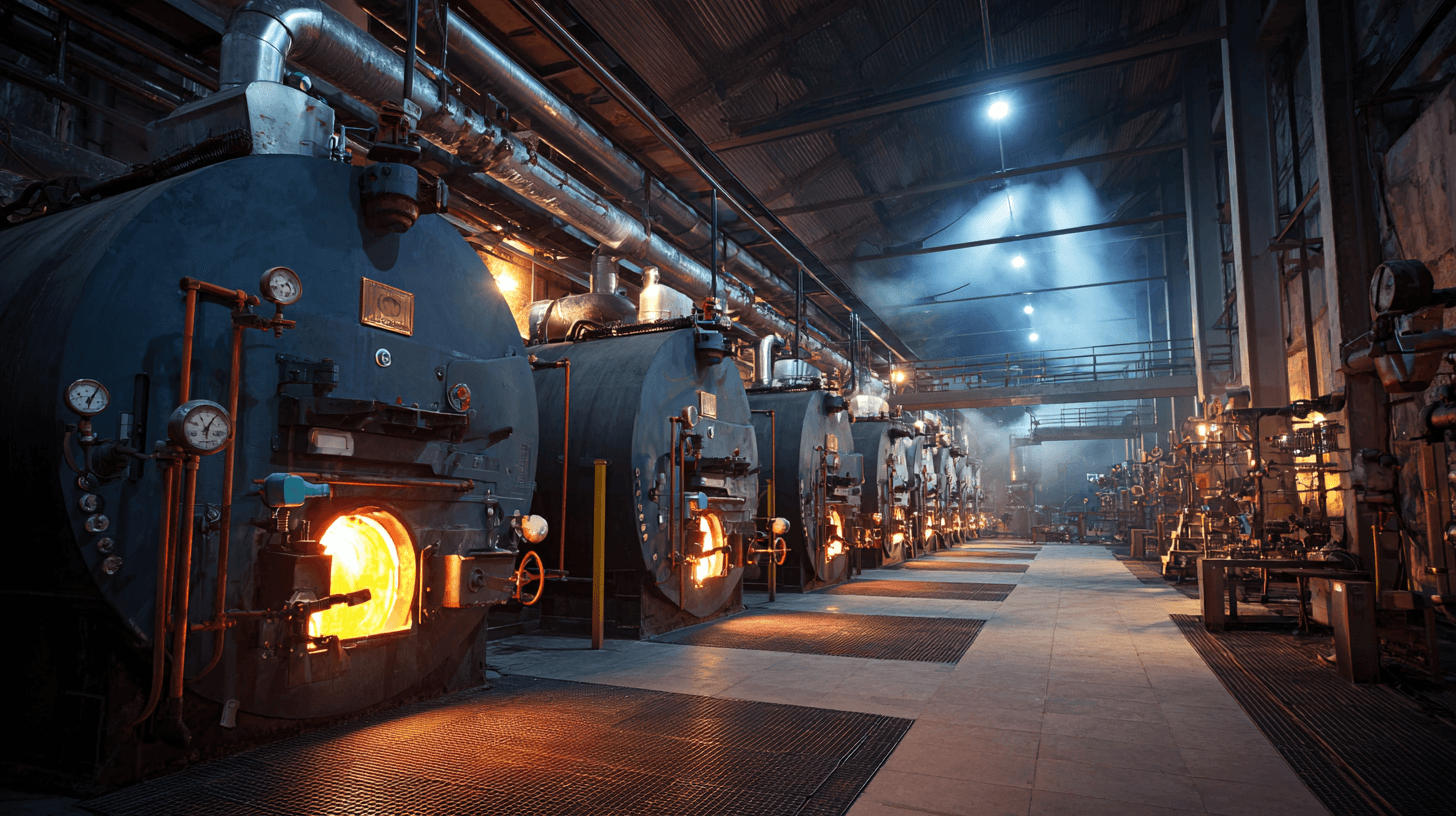
Key Technical Capabilities
Engineered for performance, efficiency, and environmental responsibility.
Combustion Control
Advanced electronic linkageless systems for precise air-fuel ratio management.
- Micro-modulation accuracy
- PLC / BMS Integration
- O2 Trim technology
Low-NOx Emissions
Innovative designs to minimize thermal NOx formation and meet strict environmental standards.
- Staged combustion
- Flue Gas Recirculation (FGR)
- Lean premix technology
Fuel Flexibility
Multi-fuel capabilities to adapt to changing energy markets and availability.
- Natural Gas & LNG
- Light & Heavy Oil
- Hydrogen Blends
Product Architecture
Understanding the components that drive performance.
Combustion Head
Determines flame shape and mixing efficiency.
- Nozzle Design
- Diffuser Plate
- Ignition Electrodes
Fuel Train
Safely delivers and regulates fuel flow.
- Pressure Regulators
- Safety Shut-off Valves
- Flow Meters
Air Supply
Provides necessary oxygen for complete combustion.
- FD Fan / Blower
- VSD Motor
- Air Dampers
Performance Metrics
Safety & Compliance
Safety is non-negotiable. Our systems are designed to meet and exceed rigorous international standards.
Safety Interlock Logic
Fail-safe systems for all critical parameters.
Flame Safeguard
Continuous UV/IR monitoring with instant lockout.
Global Certification
Compliant with CE, ISO, and local regulations.
Applications
Technical FAQ
How does staged combustion reduce NOx?
Staged combustion works by supplying air and fuel in multiple zones. This creates a fuel-rich primary zone (low temperature) and a fuel-lean secondary zone, preventing the peak flame temperatures that cause thermal NOx formation.
What fuel types are supported?
Our burners are designed for versatility. Standard models support Natural Gas, LPG, and Light/Heavy Oils. We also offer specialized dual-fuel models and custom burners for Hydrogen blends, Biogas, and waste fuels.
What is the benefit of O2 Trim?
O2 Trim continuously monitors oxygen levels in the exhaust and automatically adjusts the air damper. This maintains peak efficiency regardless of changes in ambient temperature, barometric pressure, or fuel calorific value, typically saving 2-5% in fuel costs.
Technical Resources
Ready to Optimize Your Operations?
Contact our engineering team to discuss your specific thermal requirements.